Why Active Listening Is the Most Undertrained Skill in Business
Here’s a stat that should concern every L&D leader: 75% of managers believe active listening is vital for effective leadership. But only 2% of the population truly masters it.
That’s not a skills gap. That’s a canyon.
And here’s the uncomfortable truth: most active listening training doesn’t close it. We’ve been teaching this skill wrong for decades.
The listening paradox
Active listening isn’t complicated. The basics can be explained in five minutes: concentrate on the conversation, don’t interrupt, feedback your understanding of what you heard, ask clarifying questions, don’t use Roadblocks.
Simple, right?
Yet 65% of employees feel their managers don’t listen to them effectively. 70% of workplace mistakes stem from poor communication. 80% of workplace complaints and conflicts trace back to the same root cause.
If active listening is so simple to understand, why is it so rare in practice?
Because knowing what to do and being able to do it under pressure are completely different things.
Why most traditional training fails
I’ve sat through a few active listening workshops to see a pattern. Most follow the same formula:
Step 1: Explain the theory. Here are the principles of active listening. Here are the “Roadblocks” to avoid (Ordering, Advising, Analysing).
Step 2: Do a role-play. Pair up with a colleague. One person talks, the other practices listening.
Step 3: Debrief. How did that feel? What did you notice?
Step 4: Return to work. Apply what you learned.
The problem? Step 4 almost never happens. And here’s why:
Role-play doesn’t feel real. You’re paired with a colleague who knows it’s an exercise. There’s no emotional stakes. No pressure. No consequences if you interrupt or dismiss their concerns. Your brain knows it’s pretend, so it never activates the stress responses you’ll face in actual difficult conversations.
You’re splitting attention. Role-play requires you to simultaneously play a character AND practice a new skill. Research shows this cognitive split actually slows learning. Your brain can only focus on one thing at a time.
The discomfort is wrong. Learning requires some discomfort, that’s how we know we’re stretching. But role-play creates the wrong kind of discomfort. People feel awkward about performing in front of colleagues, not challenged by the skill itself. The anxiety about looking foolish drowns out the learning.
There’s no repetition. You might role-play a listening scenario once or twice in a workshop. But skill development requires practice. LOTS OF IT. Research suggests 8-10 hours of deliberate practice to meaningfully improve listening skills. A single role-play exercise doesn’t come close.
The feedback is subjective. Your role-play partner is not trained observer. They can’t pinpoint exactly where you went wrong or measure whether you’re actually improving.
What the research actually shows
The evidence on listening training is surprisingly thin. A comprehensive review in the Annual Review of Organizational Psychology noted the “the lack of research programs to test the effectiveness of listening training.”
What we do know:
Active listening works. When practiced well, it reduces misunderstandings by 40%, improves conflict resolution success rates by 42%, and increases the likelihood of de-escalation by 55%. Managers trained in active listening see 30% improvement in employee satisfaction.
But knowing doesn’t equal doing. 96% of people believe they’re good listeners. The actual number who can listen without interrupting? 30%. There’s a massive gap between self-perception and reality.
Traditional training improves knowledge, not behaviour. Workshops successfully teach people what active listening looks like. They’re far less successful at changing how people actually behave in real conversations. Especially under pressure.
Emotion matters. Neuroscientist Antonio Damasio’s research shows emotions are fundamental to learning and behaviour change. Training that doesn’t touch emotion, that doesn’t create genuine pressure, doesn’t transform anything. At best, it informs.
The practice problem
Here’s the fundamental issue: you can’t practice active listening in a way that builds real skill without another person who responds authentically.
And authentic human practice partners are expensive, inconsistent, and hard to scale.
Think about what quality practice would require:
- Someone willing to share genuine emotional content
- Realistic pushback when you use “roadblocks” like interrupting or judging
- Consistent scenarios you can repeat until the skill becomes instinct
- Objective feedback on exactly what you did well and poorly
- The ability to fail without real-world consequences
Traditional training can’t deliver this at scale. That’s why the skill remains undertrained despite decades of workshops.
What actually works
The research points to a few principles that actually drive behaviour change:
Emotional engagement. The brain changes when it feels, not when it’s told. Training needs to create genuine emotional responses such as the slight anxiety of a difficult conversation, the discomfort of facing someone who’s upset.
Safe failure. People need permission to get it wrong, repeatedly, without real consequences. This is where real learning happens: in the gap between knowing what to do and actually doing it under pressure.
Repetition. One practice attempt isn’t training. Skill development requires multiple attempts at the same scenario, experimenting with different approaches, building muscle memory.
Objective feedback. Not “that felt good” but specific, measurable feedback: “You interrupted three times in the first minute. You used advice-giving instead of reflection. Try pausing for three seconds before responding.”
Realistic pressure. The practice environment needs to create enough pressure that skills transfer to real situations. If it’s too comfortable, the learning stays in the training room.
Why this matters now
The cost of poor listening is staggering:
- 70% of workplace mistakes trace to communication failures
- 65% of employees feel misunderstood
- 55% would feel more valued if their managers simply listened better
- Active listening can decrease turnover by 20% and reduce burnout by 25%
Meanwhile, organisations keep investing in listening workshops that don’t change behaviour.
The problem isn’t that active listening is hard to understand. It’s that we’ve been trying to teach a practice skill with information-based training.
You wouldn’t learn to drive by attending a lecture. You wouldn’t learn surgery by watching videos. Some skills can only be developed through realistic, repeated practice with feedback.
Active listening is one of them.
A different approach
This is why we built what we built at Many Worlds.
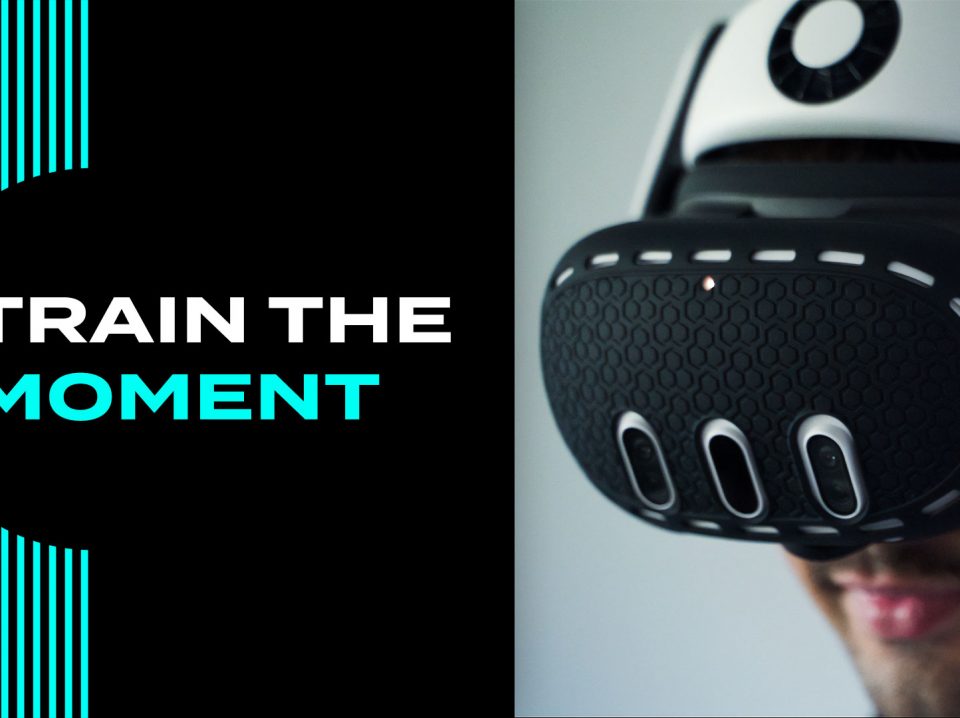
Our active listening simulation puts you in a conversation with an AI character who responds naturally to what you actually say. Handle the conversation well, and they engage. Interrupt, dismiss, or jump to advice, and they push back, or disengage entirely, just like a real person would.
You can practice the same scenario repeatedly, experimenting with different approaches. The AI tracks your performance and provides specific feedback. And because it’s immersive, your brain treats it as real, creating the emotional engagement that drives actual behaviour change.
It’s not a replacement for human connection. It’s a training ground where you can develop the skill before the real conversation happens.
The bottom line
Active listening isn’t complicated. But it is undertrained, because we’ve been teaching it wrong.
Information doesn’t change behaviour. Practice does.
And until we create training that provides realistic, repeated, emotionally engaging practice with objective feedback, we’ll keep producing managers who understand listening but can’t actually do it when it counts.
The 2% who master active listening aren’t smarter or more naturally talented. They’ve simply had more quality practice than everyone else.
The question is: how do we give that practice to everyone?
See active listening training in action
Watch a demo of our active listening simulation below, showing exactly how AI-powered practice creates real behaviour change.
Follow us to catch the demo, or get in touch to discuss how immersive training could transform communication skills in your organisation.
This article reflects observations from training experience and published research. Statistics cited from Gitnux, WifiTalents, and the Annual Review of Organizational Psychology.