More Articles

From Impersonal Tools to Human-Centered Catalysts
The common view of Virtual Reality (VR) and Artificial Intelligence (AI) as detached, unfeeling technologies is understandable, but it misses their true potential to enhance our most human-centered processes.
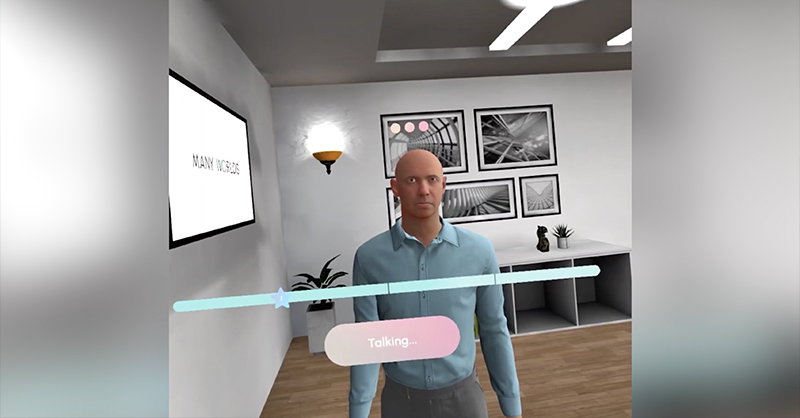
The Many Worlds Pilot Launch: Introducing a New Era of Immersive, AI-Powered Training
After months of research, design, and prototyping, Many Worlds is proud to announce the pilot launch of our AI-powered immersive training platform.
From Training to Therapy: The Everyday Power of Immersive Design
Presence, the feeling of being “inside” a different world, is the true heart of immersive experiences.
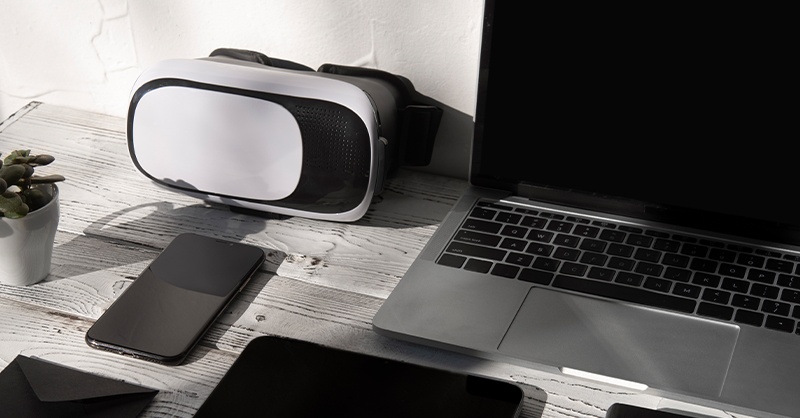
You Don’t Need a Headset to Experience VR
When most people think of virtual reality (VR), they picture sleek headsets, motion controllers, and futuristic environments. But what if VR wasn’t about the gear at all? What if the true power of VR lies not in the hardware — but in the psychological state it creates?

Therapy Meets Technology: How AI Is Transforming Psychotherapy
The world of mental health is evolving — and Artificial Intelligence (AI) is playing a growing role in how we understand, deliver, and experience psychotherapy.
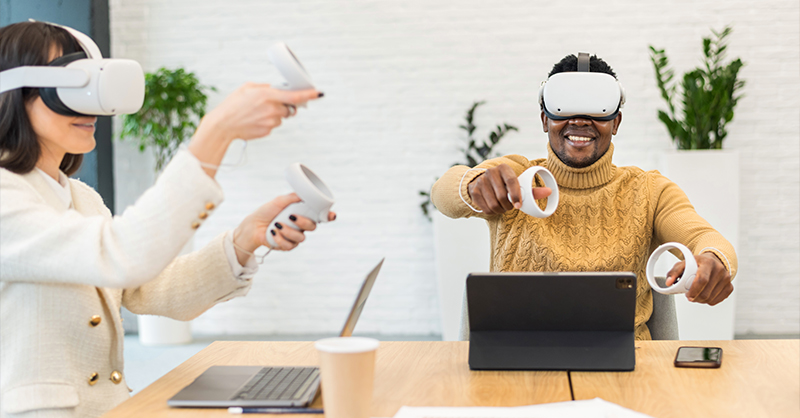
Immersive Gamification 101: Learning for Modern Teams
Employees learn best when they’re immersed, engaged, and active participants in a process. That’s where immersive learning comes in.
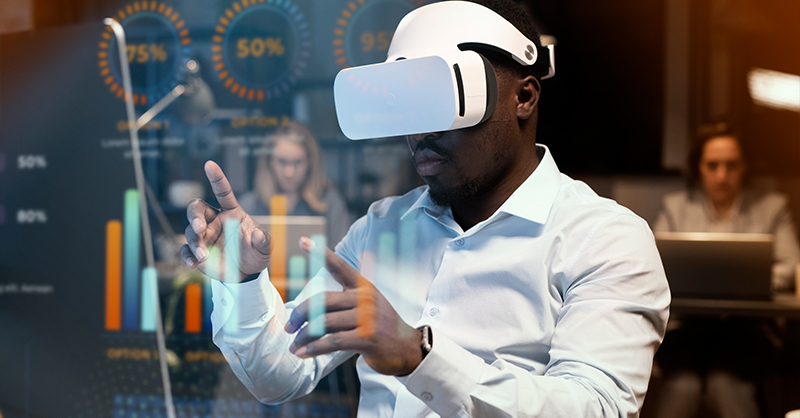
What is AI-driven VR training — and why should you care?
Business moves fast in today’s modern world which leads to increasingly higher expectations. Traditional training methods are struggling to keep up: long slide decks, passive lectures, and outdated manuals don’t cut it anymore — especially for modern teams who expect engaging, hands-on experiences.
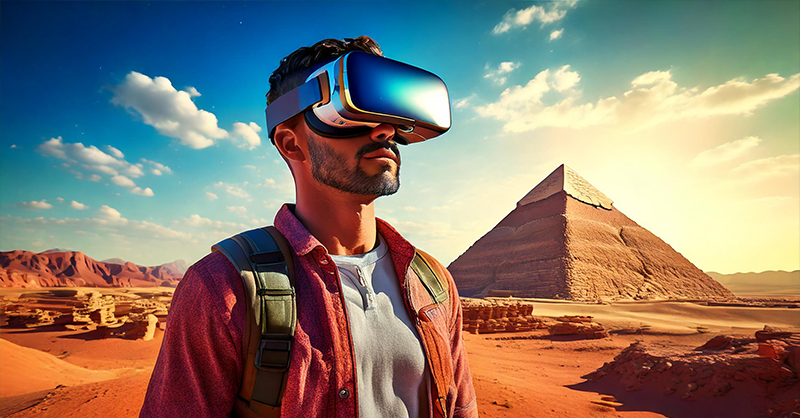
Unlocking the Boundless Potential of Virtual Environments
When it comes to virtual reality, the possibilities are almost endless. But let’s break down what’s actually possible to create within a virtual world. Here are a few powerful, practical examples of the kinds of experiences that VR can bring to life.
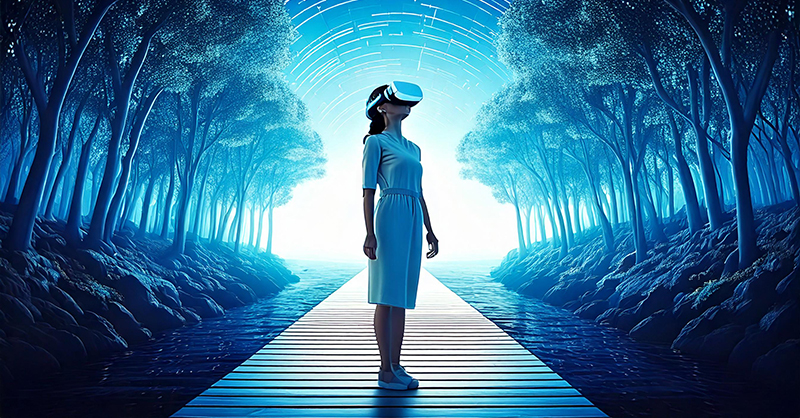
How VR Transforms Psychotherapy: Real-World Healing in a Virtual Space
You might wonder, How exactly does virtual reality (VR) support psychotherapy? In truth, VR’s potential in mental health is vast, limited only by our imagination.
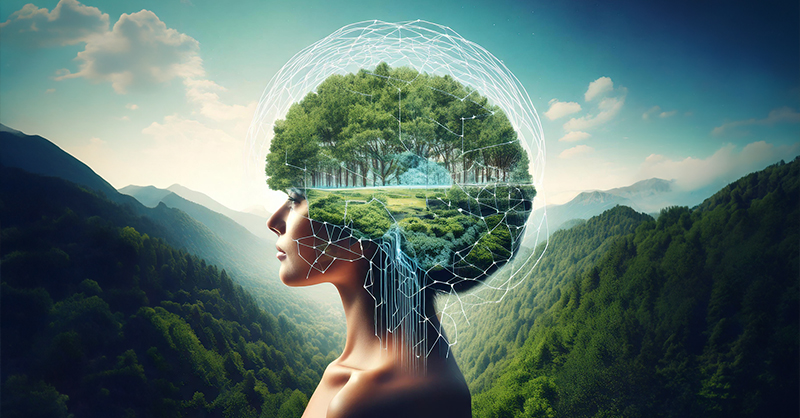
Unleashing the Power of VR in Psychology: Bridging Reality and Potential
At Many Worlds, we see VR not just as a high-tech tool but as a transformative bridge between the real and the potential—a concept with deep implications in psychological practice. Understanding this bridge helps us unlock VR's true impact in therapy, mental health support, and personal growth. Here’s what I mean.

The True Power of VR: Beyond the Headset
What sets VR apart is not just the headset or the simulated environment, but the sense of presence—the feeling of truly "being there." This immersive quality can happen with or without a VR headset, whether in an elaborate virtual world or a simple, simulated screen environment.
More Articles
Scroll right for more
From Impersonal Tools to Human-Centered Catalysts
The common view of Virtual Reality (VR) and Artificial Intelligence (AI) as detached, unfeeling technologies is understandable, but it misses their true potential to enhance our most human-centered processes.
The Many Worlds Pilot Launch: Introducing a New Era of Immersive, AI-Powered Training
After months of research, design, and prototyping, Many Worlds is proud to announce the pilot launch of our AI-powered immersive training platform.
From Training to Therapy: The Everyday Power of Immersive Design
Presence, the feeling of being “inside” a different world, is the true heart of immersive experiences.
You Don’t Need a Headset to Experience VR
When most people think of virtual reality (VR), they picture sleek headsets, motion controllers, and futuristic environments. But what if VR wasn’t about the gear at all? What if the true power of VR lies not in the hardware — but in the psychological state it creates?
Therapy Meets Technology: How AI Is Transforming Psychotherapy
The world of mental health is evolving — and Artificial Intelligence (AI) is playing a growing role in how we understand, deliver, and experience psychotherapy.
Immersive Gamification 101: Learning for Modern Teams
Employees learn best when they’re immersed, engaged, and active participants in a process. That’s where immersive learning comes in.
What is AI-driven VR training — and why should you care?
Business moves fast in today’s modern world which leads to increasingly higher expectations. Traditional training methods are struggling to keep up: long slide decks, passive lectures, and outdated manuals don’t cut it anymore — especially for modern teams who expect engaging, hands-on experiences.
Unlocking the Boundless Potential of Virtual Environments
When it comes to virtual reality, the possibilities are almost endless. But let’s break down what’s actually possible to create within a virtual world. Here are a few powerful, practical examples of the kinds of experiences that VR can bring to life.
How VR Transforms Psychotherapy: Real-World Healing in a Virtual Space
You might wonder, How exactly does virtual reality (VR) support psychotherapy? In truth, VR’s potential in mental health is vast, limited only by our imagination.
Unleashing the Power of VR in Psychology: Bridging Reality and Potential
At Many Worlds, we see VR not just as a high-tech tool but as a transformative bridge between the real and the potential—a concept with deep implications in psychological practice. Understanding this bridge helps us unlock VR's true impact in therapy, mental health support, and personal growth. Here’s what I mean.
The True Power of VR: Beyond the Headset
What sets VR apart is not just the headset or the simulated environment, but the sense of presence—the feeling of truly "being there." This immersive quality can happen with or without a VR headset, whether in an elaborate virtual world or a simple, simulated screen environment.